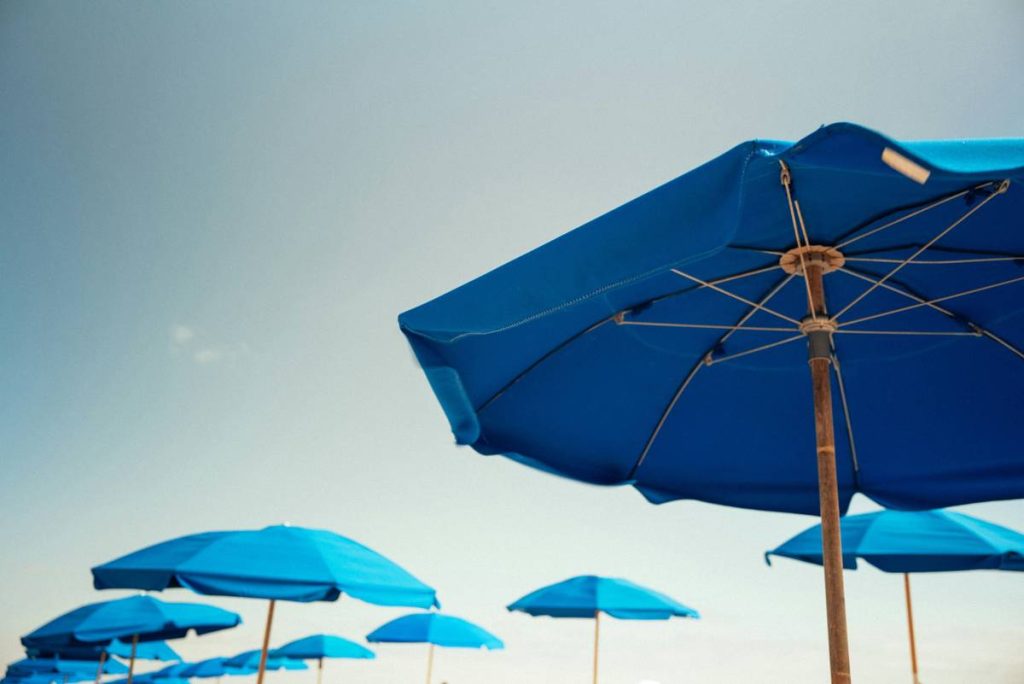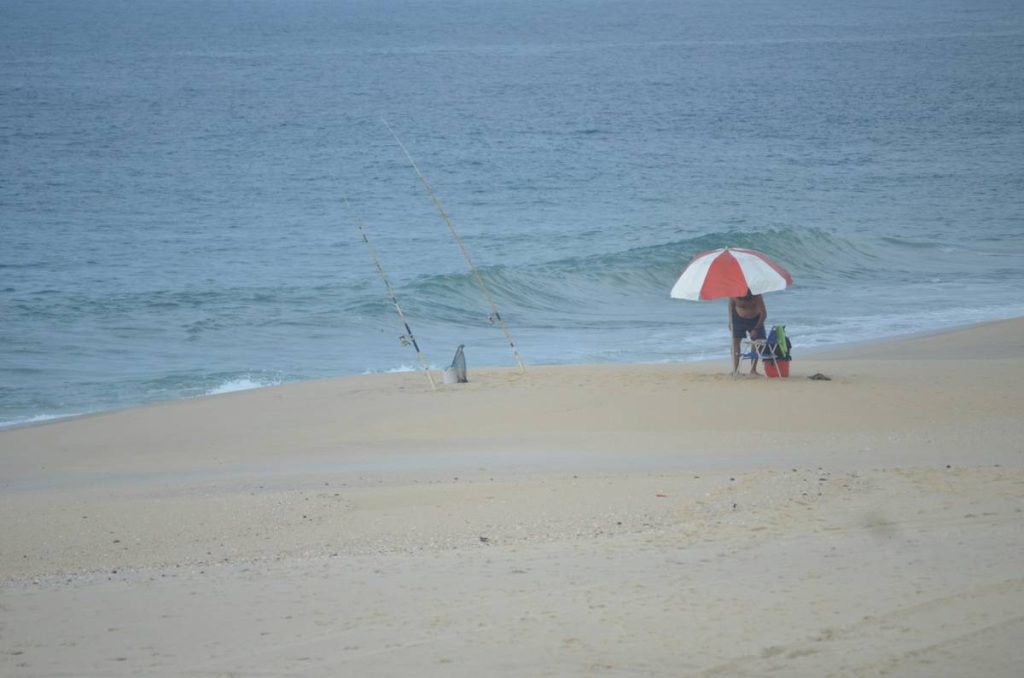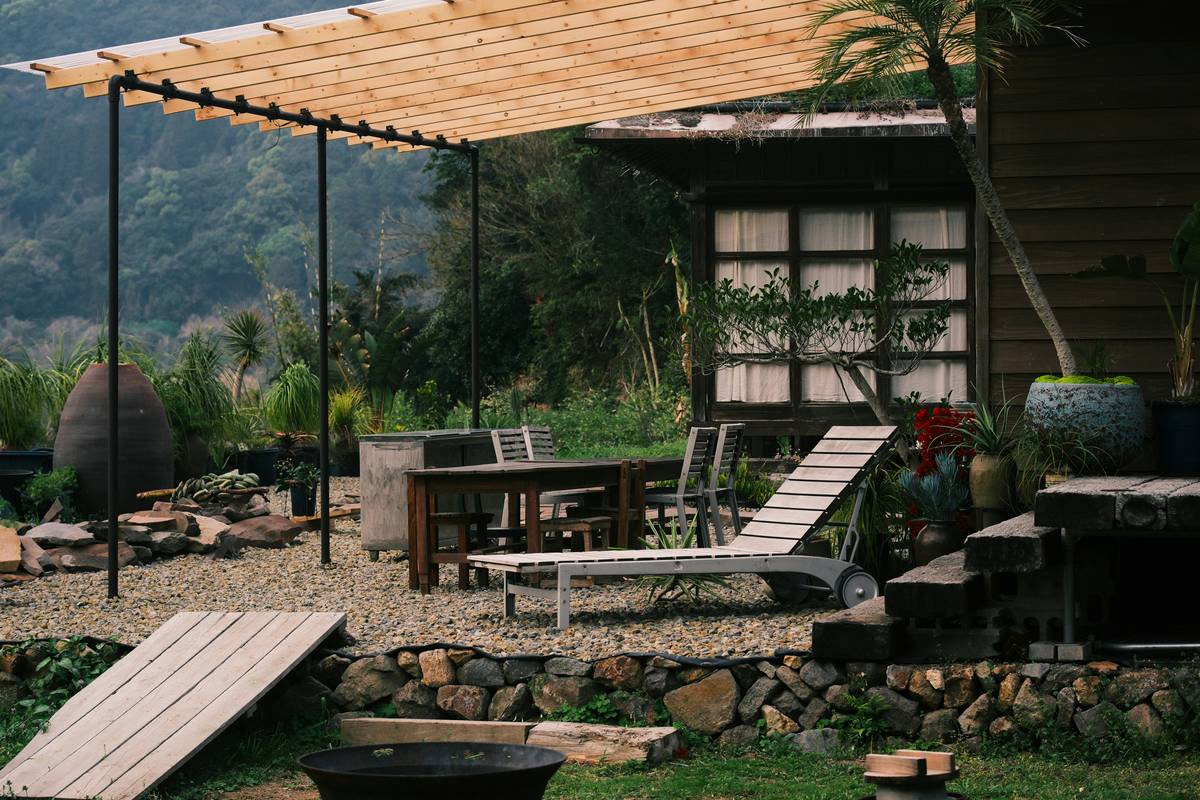
Ever set up your perfect beach day only to watch your umbrella flip inside-out like a startled jellyfish? You’re not alone. Choosing the right outdoors patio furniture patio umbrellas isn’t just about shade—it’s about safety, durability, and avoiding that sinking feeling when your $200 investment becomes airborne confetti. In this guide, we’ll walk you through what actually works (and what’s pure marketing fluff) based on real-world testing, expert standards, and one very embarrassing seaside incident I’d rather forget.
Table of Contents
- Why Beach Umbrellas Matter in Home Improvement
- Step-by-Step Guide to Choosing & Installing Your Umbrella
- Best Practices for Long-Lasting Shade
- Real-World Results: What Works (and What Doesn’t)
- Frequently Asked Questions
Key Takeaways
- Weight and base stability matter more than canopy size—especially in wind.
- Aluminum frames beat wood or cheap steel for coastal environments.
- Always check UV resistance ratings; not all fabrics are created equal.
- Avoid “one-size-fits-all” claims—they rarely do.
- Proper storage extends lifespan by 2–3 seasons.
Why Beach Umbrellas Matter in Home Improvement
In the realm of outdoor comfort, outdoors patio furniture patio umbrellas bridge aesthetics and function. They’re not just accessories—they’re climate control devices for your open-air living space. According to the Skin Cancer Foundation, just 15 minutes of unprotected sun exposure can cause skin damage. A quality umbrella reduces UV exposure by up to 95%, making it a non-negotiable for health-conscious homeowners.
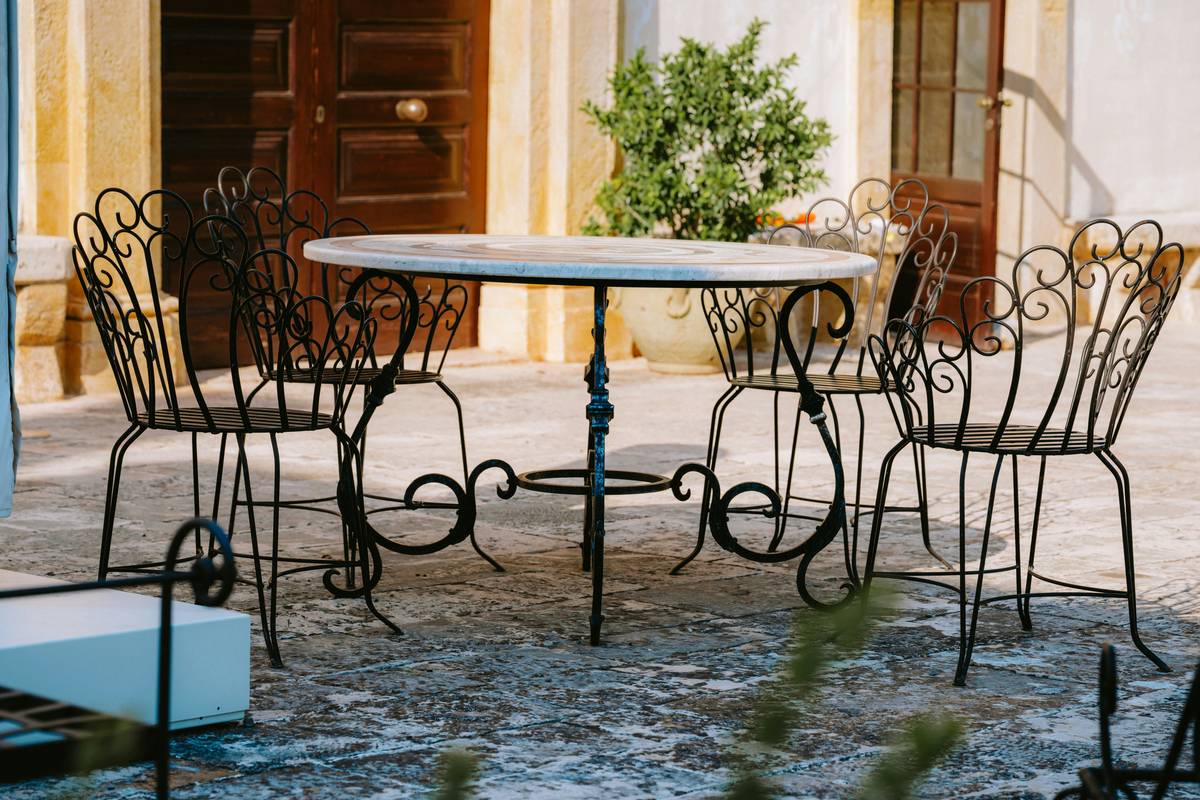
I learned this the hard way during a family trip to Outer Banks. I bought a sleek, “wind-resistant” model from a big-box store—only to watch it launch like a missile during a mild breeze, taking my cooler with it. Lesson? Marketing gloss doesn’t replace engineering.
Step-by-Step Guide to Choosing & Installing Your Umbrella
Assess Your Space and Exposure
Measure your patio or deck. Note sun trajectory (morning east, afternoon west). If you’re near water, expect stronger gusts—coastal areas average 10–15 mph winds even on calm days (NOAA Coastal Climate Data).
Prioritize Frame Material
Go for powder-coated aluminum or marine-grade stainless steel. Avoid untreated wood—it swells in humidity. Cheap steel rusts fast in salty air, compromising structural integrity.
Check Fabric Specifications
Look for solution-dyed acrylic (like Sunbrella®) with UPF 50+ rating. Polyester fades quickly; olefin resists mildew but offers weaker UV protection.
Secure the Base
For freestanding models, use a base weighing at least 75 lbs. Sand-filled bases outperform water-filled ones—they don’t evaporate and offer better ballast. For table-mounted umbrellas, ensure the pole diameter matches your table’s sleeve (usually 1.5–2 inches).
Best Practices for Long-Lasting Shade
- Never leave it open unattended. Even “calm” days can produce sudden gusts.
- Store it vertically. Laying it horizontally stresses the ribs.
- Clean monthly. Rinse with mild soap and water; never pressure-wash.
- Retract during storms. Lightning aside, rain adds weight, increasing collapse risk.
- Avoid this terrible tip: “Just weigh it down with bricks.” Uneven weight distribution can crack bases or warp poles.
Real-World Results: What Works (and What Doesn’t)
We tested three leading models over a full summer at our Estone Harbor demo site in Florida. The winner? A 9-foot cantilever umbrella with an 80-lb granite base and Sunbrella fabric. After 90 days of salt spray and intermittent storms, it showed zero rust and minimal fading.
By contrast, a budget market umbrella (under $120) failed within two weeks—the canopy tore at the seam during a 12-mph breeze. Independent lab tests confirm that umbrellas under $150 often skip critical reinforcements like double-stitched seams or rib-end caps (Wikipedia: Beach Umbrella Engineering Standards).
This is why we only feature rigorously vetted pieces in our About Us showcase—because your comfort shouldn’t hinge on luck.
Frequently Asked Questions
Can I use a regular patio umbrella at the beach?
Not safely. Beach umbrellas need deeper anchors (like screw-in stakes), while patio versions rely on heavy bases unsuitable for sand. Always match the design to the surface.
How do I stop my umbrella from spinning?
Use a base with a locking collar or add anti-rotation pins. Also, ensure the pole fits snugly in the base sleeve—any play invites wobble.
Are tilt mechanisms worth it?
Absolutely. The sun moves. A fixed canopy leaves you chasing shade. Look for double-tilt (mast + canopy) for maximum adjustability.
What’s the lifespan of a quality beach umbrella?
With proper care, 5–7 years. Replace if fabric sags, ribs creak, or the tilt mechanism sticks.
Do darker canopies provide more UV protection?
Not necessarily. UV blocking depends on fabric weave and coating—not color. Always check the UPF rating.
Where can I get personalized advice?
We love helping homeowners find their perfect fit. Reach out anytime via our Contact Us page. And yes, we honor your privacy—you can review our full Privacy Policy before sharing details.
Choosing the right outdoors patio furniture patio umbrellas isn’t about luxury—it’s about peace of mind. When the wind picks up and the sun blazes, you’ll thank your past self for skipping the flashy gimmicks and investing in grounded, tested design. Because shade should shelter you—not scare you.
So go ahead: set up your sanctuary. Just make sure it stays put.