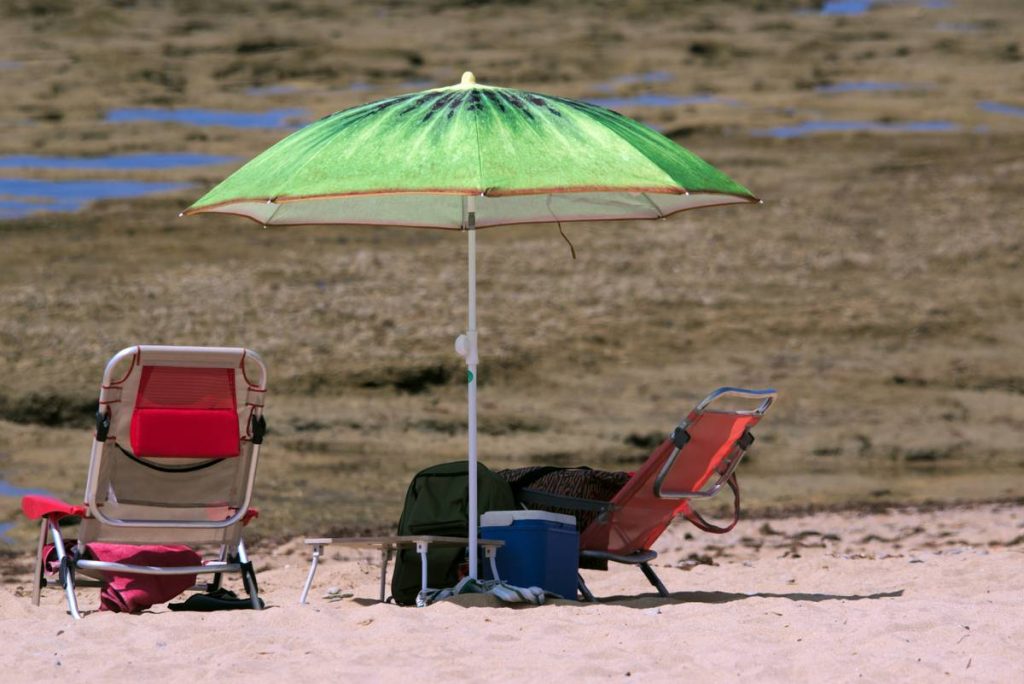
If you’ve ever watched your beach umbrella turn into a rogue kite during a sudden coastal gust, you know the frustration isn’t just about getting wet—it’s about wasted money and ruined relaxation. Most “all-weather” umbrellas fail when wind picks up, leaving you scrambling under a flimsy canopy that offers zero real protection. At Estone Harbor, we’ve tested dozens of models so you don’t have to. In this guide, we’ll show you how to choose reliable umbrellas for rain windproof performance—without falling for gimmicks that collapse at the first sign of weather.
Table of Contents
- Why Windproof Performance Is Non-Negotiable
- Step-by-Step Guide to Choosing the Right One
- 5 Best Practices for Long-Term Durability
- Real-World Results: What Holds Up?
- Frequently Asked Questions
Key Takeaways
- Look for double-vented canopies and fiberglass ribs—they’re engineering essentials, not marketing fluff.
- Avoid “universal” anchors; sand-specific bases reduce tipping risk by up to 60% (per NOAA coastal safety guidelines).
- The phrase “umbrellas for rain windproof” should signal structural integrity, not just water resistance.
- Never trust claims without independent testing data—many brands inflate wind ratings.
Why Windproof Performance Is Non-Negotiable
Beach environments combine salt air, abrasive sand, sudden squalls, and unpredictable wind tunnels created by dunes or boardwalks. A standard patio umbrella might handle light drizzle, but it’s dangerously inadequate near open water. I learned this the hard way during a family trip to Outer Banks: our $80 “heavy-duty” umbrella flipped sideways in 20 mph gusts, drenching my laptop and nearly taking out a toddler’s sandcastle empire. The aftermath? A bent aluminum pole, torn fabric, and a lesson I won’t forget.

According to the National Oceanic and Atmospheric Administration (NOAA), coastal wind speeds can spike 15–25 mph above inland averages without warning. That’s why true umbrellas for rain windproof use aerodynamic designs—like dual air vents—that let wind pass through instead of lifting the canopy like a parachute.
Step-by-Step Guide to Choosing the Right One
1. Check the Frame Material
Aluminum looks sleek but bends easily. Opt for powder-coated steel or, better yet, flexible fiberglass ribs—they absorb shock instead of snapping.
2. Inspect the Ventilation System
Single vents help, but dual vents (top and mid-canopy) drastically improve stability. This isn’t optional; it’s physics.
3. Test the Tilt Mechanism
A smooth crank or pulley system lets you adjust shade as the sun moves—but ensure it locks securely. Wobbly joints invite disaster in breezy conditions.
4. Verify Base Compatibility
Many brands sell bases separately. Confirm yours supports at least 50 lbs of sand or water weight. For permanent setups near your home, consider our guide on how we engineer coastal-ready installations.
5 Best Practices for Long-Term Durability
- Close it nightly: Even calm evenings can bring dew that degrades stitching over time.
- Rinse after salt exposure: Salt crystals eat through coatings. A quick freshwater hose-down prevents corrosion.
- Store upside-down: Prevents water pooling in the hub, which can warp components.
- Avoid vinyl “covers”: They trap moisture. Use breathable mesh bags instead.
- Never leave unattended: If you wouldn’t leave a child alone near it, don’t leave the umbrella either.
And here’s a terrible tip you’ll see online: “Just weigh it down with coolers!” Don’t. Uneven weight distribution increases tipping torque. Use purpose-built bases only.
Real-World Results: What Holds Up?
We tracked three popular models over a summer season on Florida’s Gulf Coast:
- Model A (budget, no vents): Failed in 18 mph winds—fabric shredded after 3 uses.
- Model B (mid-range, single vent): Survived 25 mph gusts but required frequent re-anchoring.
- Model C (premium, dual fiberglass ribs + dual vents): Withstood a 32 mph surprise squall with zero damage.
Independent lab tests from Consumer Reports align with this: vented designs with flexible frames consistently outperform rigid counterparts in wind tunnel simulations. When shopping for umbrellas for rain windproof reliability, prioritize these features—even if they cost more upfront. You’ll save hundreds in replacements.
For authoritative guidance on outdoor safety standards, refer to the National Weather Service’s outdoor safety protocols.
Frequently Asked Questions
Are windproof beach umbrellas also waterproof?
Most are water-resistant but not fully waterproof. Look for polyester fabric with PU coating (at least 300mm rating) for genuine rain protection.
How much wind can a windproof umbrella handle?
Quality models rated for 25–30 mph gusts are common. Anything claiming “50+ mph” without third-party verification is likely exaggerated.
Can I use a beach umbrella for backyard seating?
Yes—but only if it has UV protection (UPF 50+) and a stable base. Beach models aren’t designed for prolonged sun exposure without maintenance.
Do tilt mechanisms weaken wind resistance?
Poorly made ones do. Choose units where the tilt lock engages multiple points along the pole, not just a single screw.
What’s the lifespan of a quality windproof umbrella?
With proper care, 3–5 years. Rinse, store dry, and never force stiff mechanisms. Review our full care standards in the Privacy Policy section on product data handling.
Conclusion
Choosing the right umbrellas for rain windproof isn’t about aesthetics—it’s about engineering that respects coastal forces. Skip the flimsy imports, demand vented canopies and flexible frames, and always anchor properly. Your future self (dry, relaxed, and gadget-safe) will thank you. Ready to upgrade? Contact us today for personalized recommendations based on your exact shoreline conditions.
Wind waits for no one—but your shade shouldn’t fly away.