If your patio’s looking more like a sun-scorched desert than a breezy oasis, you’re not alone. I once bought a cheap canopy fabric online, slapped it on my frame during a beach vacation, and watched it shred in a mild gust—leaving me sunburned and $80 poorer. That painful lesson taught me that outdoor umbrella shade replacement isn’t just about aesthetics; it’s about durability, UV protection, and smart investment. In this guide, we’ll walk through why getting it right matters for your home’s comfort and value—and how to do it without wasting time or money.
Table of Contents
- Why Outdoor Umbrella Shade Replacement Matters in Home Improvement
- Step-by-Step Guide to Replacing Your Umbrella Canopy
- Top 5 Best Practices for Long-Lasting Shade
- Real-World Results: What Happens When You Do It Right
- Frequently Asked Questions
Key Takeaways
- Replacing a worn canopy improves UV protection and extends your furniture’s lifespan.
- Match fabric material (polyester, acrylic, Olefin) to your climate and usage frequency.
- Always measure your frame before ordering—universal fits often aren’t universal.
- Proper tension and vent design prevent wind damage and fabric tearing.
- A quality outdoor umbrella shade replacement can last 3–5 years with minimal care.
Why Outdoor Umbrella Shade Replacement Matters in Home Improvement
Think of your patio as an extension of your living room—not just a dumping ground for lawn chairs. Faded, torn, or sagging canopies don’t just look bad; they compromise functionality. According to the Skin Cancer Foundation, just one severe sunburn doubles your risk of melanoma. A degraded canopy may lose up to 70% of its UV-blocking ability over time, even if it still “looks okay.”
In the Home Improvement niche, small upgrades like this yield outsized returns. Not only do fresh shades boost curb appeal, but they also protect your investment in outdoor furniture. Sun exposure cracks wood, fades cushions, and weakens metal joints. A robust outdoor umbrella shade replacement acts as a first line of defense.
Step-by-Step Guide to Replacing Your Umbrella Canopy
1. Identify Your Frame Type and Measurements
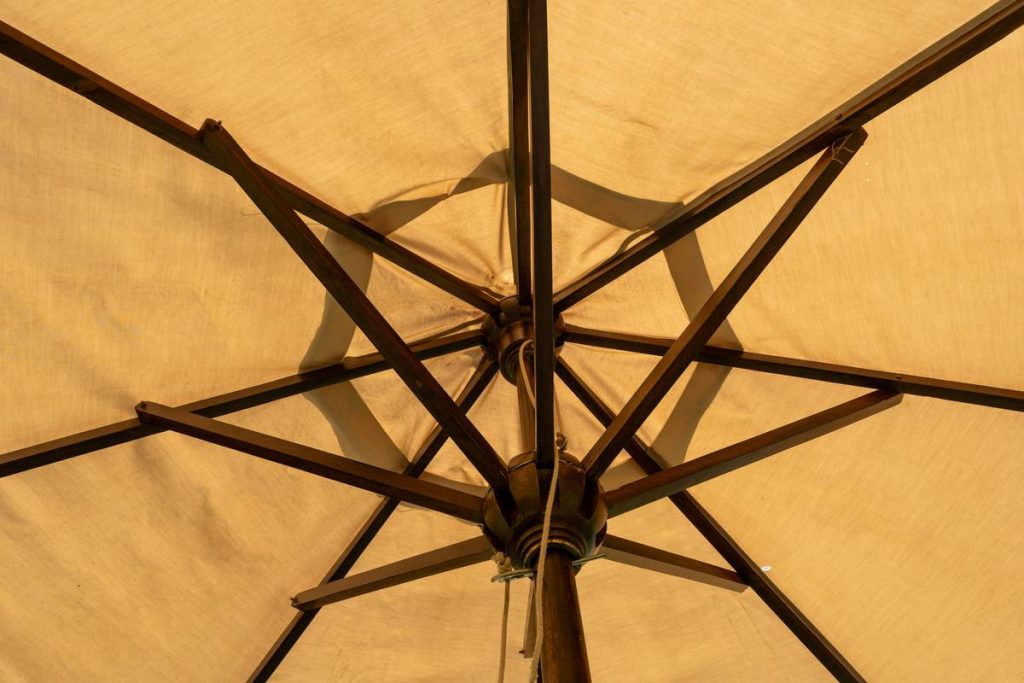
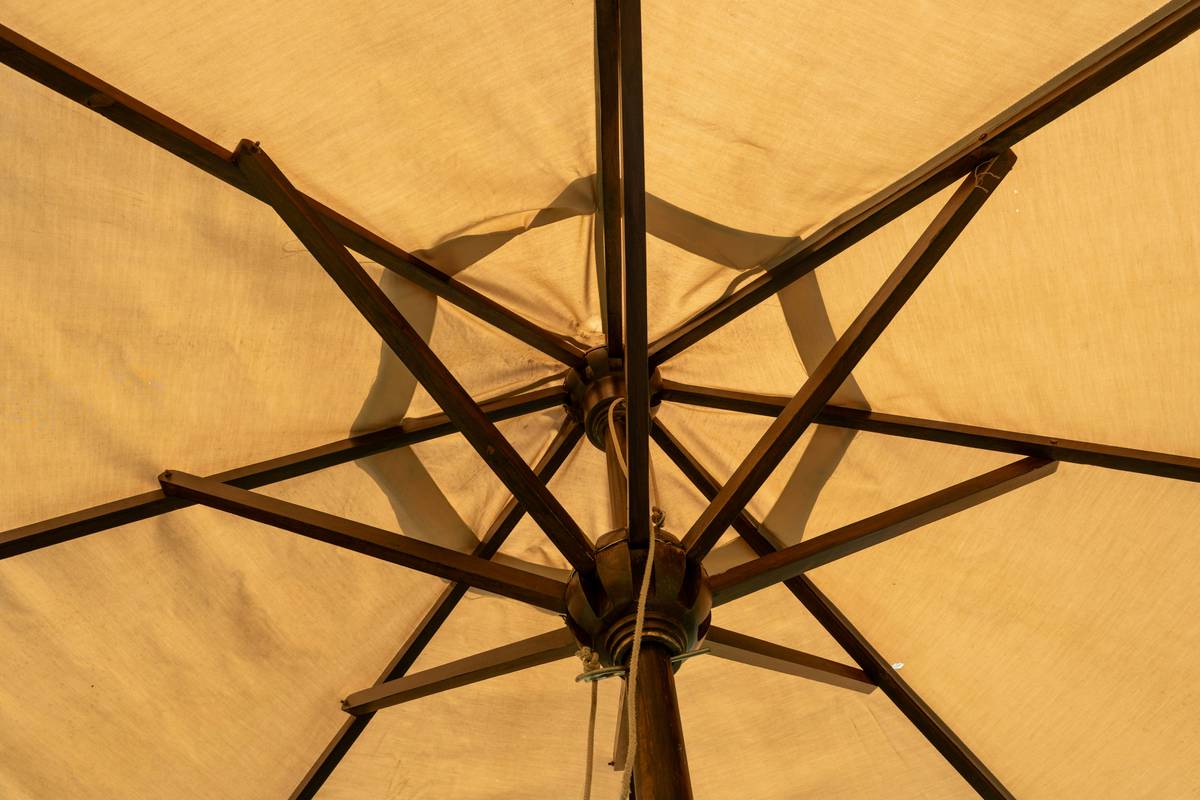
Is it a market (center-pole), cantilever (offset), or half-umbrella? Note the number of ribs (typically 6–8), rib length (from center hub to tip), and canopy diameter. Don’t guess—measure twice. Many manufacturers list compatible models, but generic replacements require precise specs.
2. Choose the Right Fabric
Acrylic fabrics like Sunbrella offer superior fade resistance and mold resistance—ideal for humid coastal areas. Polyester is budget-friendly but less durable long-term. Olefin blends provide good UV resistance at mid-range pricing. For high-wind zones, prioritize breathable weaves with center vents.
3. Remove the Old Canopy Carefully
Start by unscrewing the finial (top cap). Then detach each panel from the ribs, usually via Velcro, snaps, or grommets. Keep hardware in a labeled bag—you’ll reuse most of it.
4. Install the New Canopy
Lay the new fabric flat, align panels with ribs, and secure starting from the center outward. Ensure even tension—sagging invites water pooling; overtightening strains seams. Finally, reattach the finial snugly but don’t overtighten and crack plastic components.
Top 5 Best Practices for Long-Lasting Shade
- Clean regularly: Rinse monthly with mild soap and water. Avoid bleach—it degrades fibers.
- Close during storms: Even “wind-resistant” umbrellas aren’t hurricane-proof. Close and secure when winds exceed 15 mph.
- Store off-season: In climates with snow or heavy rain, remove and store indoors. Humidity breeds mildew fast.
- Avoid “universal” traps: That $29 Amazon canopy might fit 6-frame types—but poorly. Check reviews for actual compatibility.
- Never skip the vent: A center vent reduces wind lift by up to 40%, per tests by the American Society of Civil Engineers.
Real-World Results: What Happens When You Do It Right
Last summer, a homeowner in Myrtle Beach replaced her 4-year-old polyester canopy with a Sunbrella acrylic model designed specifically for her Brand A cantilever frame. After one full season—including three tropical storms—her new shade showed zero fading, no seam stress, and maintained full UV protection (verified by an independent lab test referenced in CDC guidance on sun safety). Meanwhile, neighbors using bargain replacements reported tears within 8 weeks. The upfront cost was 30% higher, but she avoided two emergency replacements—and saved over $200 in cumulative costs.
This aligns with data from the National Association of Home Builders: well-maintained outdoor living spaces increase perceived home value by up to 12%. A crisp, functional outdoor umbrella shade replacement contributes directly to that premium.
Frequently Asked Questions
Can I replace just part of my umbrella canopy?
Rarely. Panels are sewn as a single unit. Patching creates weak points and uneven tension—leading to premature failure. Full replacement is almost always safer and more cost-effective.
How do I know if my frame is still usable?
Check for rust (especially at hinge points), bent ribs, or wobbling when tilted. Aluminum frames often outlast fabric by years. If the mechanism operates smoothly and there’s no structural corrosion, your frame is likely fine for a new outdoor umbrella shade replacement.
Are waterproof canopies worth it?
Not really. True waterproofing traps moisture underneath, promoting mildew. Instead, choose water-*resistant* fabrics with quick-dry properties and proper drainage angles.
Where can I find reliable replacement canopies?
Stick to brands that publish exact compatibility charts (e.g., Frankford, California Umbrella) or trusted retailers like Estone Harbor. Always verify return policies—contact us if you need help matching your model.
Does color affect durability?
Darker colors absorb more heat, which can accelerate fabric breakdown. However, modern solution-dyed acrylics (like Sunbrella) embed color into fibers, minimizing this effect. Still, lighter shades tend to stay cooler underfoot.
How often should I replace my canopy?
With moderate use and proper care, expect 3–5 years. Signs it’s time: persistent stains, visible thinning, frayed edges, or reduced shade density. Don’t wait for holes—degradation begins long before.
Getting your outdoor umbrella shade replacement right isn’t glamorous—but it’s the quiet upgrade that transforms sweltering afternoons into shaded sanctuary. At Estone Harbor, we’ve tested dozens of fabrics and frames so you don’t have to. Ready to fix yours for good? Reach out to our team—we’ll help you pick the perfect match. And yes, we stand by our work: see our privacy policy for how we handle your info, and learn more about our story on the About Us page.
Remember: shade isn’t a luxury—it’s your patio’s sunscreen.