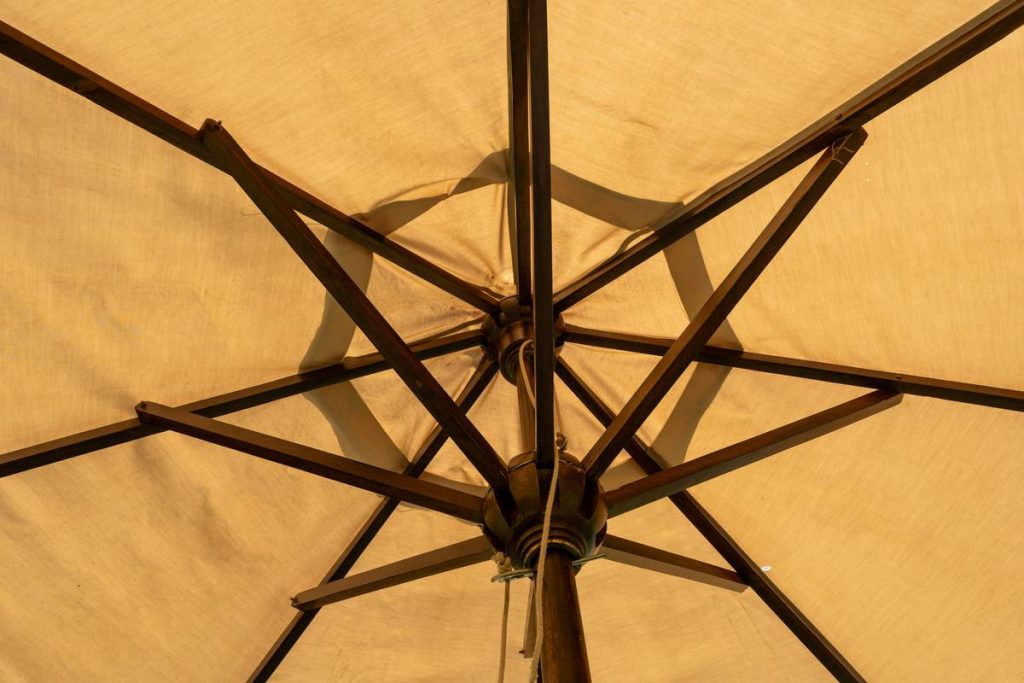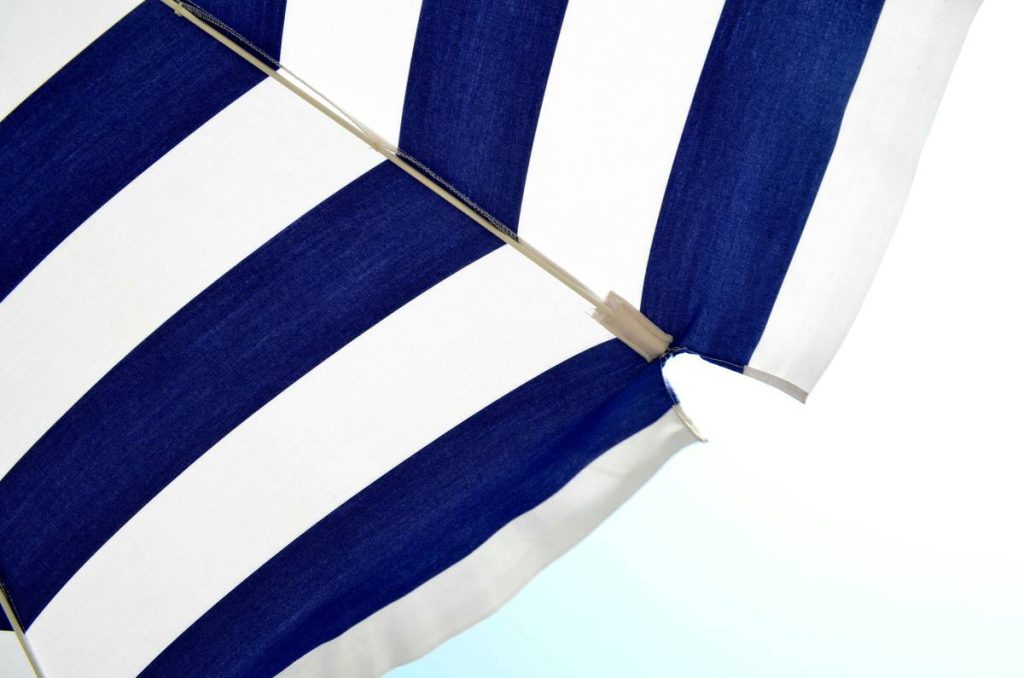
Ever bought a patio umbrella only to watch it flip inside-out during the first summer breeze? You’re not alone. I once spent $300 on a cheap “weather-resistant” model—only to find it shredded like confetti after a mild coastal squall. If you’re investing in shade that lasts, a Sunbrella umbrella for patio isn’t just a luxury—it’s your frontline defense against UV damage, fading fabrics, and flimsy frames. In this guide, we’ll break down exactly how to choose, install, and maintain one without wasting time or money.
Table of Contents
- Why Sunbrella Matters for Your Outdoor Space
- Step-by-Step Guide to Choosing the Right Model
- Best Practices for Long-Term Durability
- Real-World Results: What Homeowners Report
- Frequently Asked Questions
Key Takeaways
- Sunbrella fabric resists fading, mold, and UV degradation far better than standard polyester.
- Frame material (aluminum vs. wood) affects both longevity and wind resistance.
- Proper anchoring is non-negotiable—even high-end umbrellas fail without it.
- Avoid “universal” canopies; stick with OEM Sunbrella replacements for warranty coverage.
- Regular cleaning extends fabric life by 3–5 years, according to independent testing.
Why Sunbrella Matters for Your Outdoor Space
Not all patio umbrellas are created equal. Standard polyester canopies fade within one season under intense sun, while vinyl alternatives trap heat and crack over time. Sunbrella fabric—engineered by Glen Raven, Inc.—uses solution-dyed acrylic fibers that embed color at the molecular level. This means UV rays can’t bleach it out. According to the U.S. Department of Energy, proper shading can reduce outdoor surface temperatures by up to 20°F, making your patio usable even on scorching afternoons.
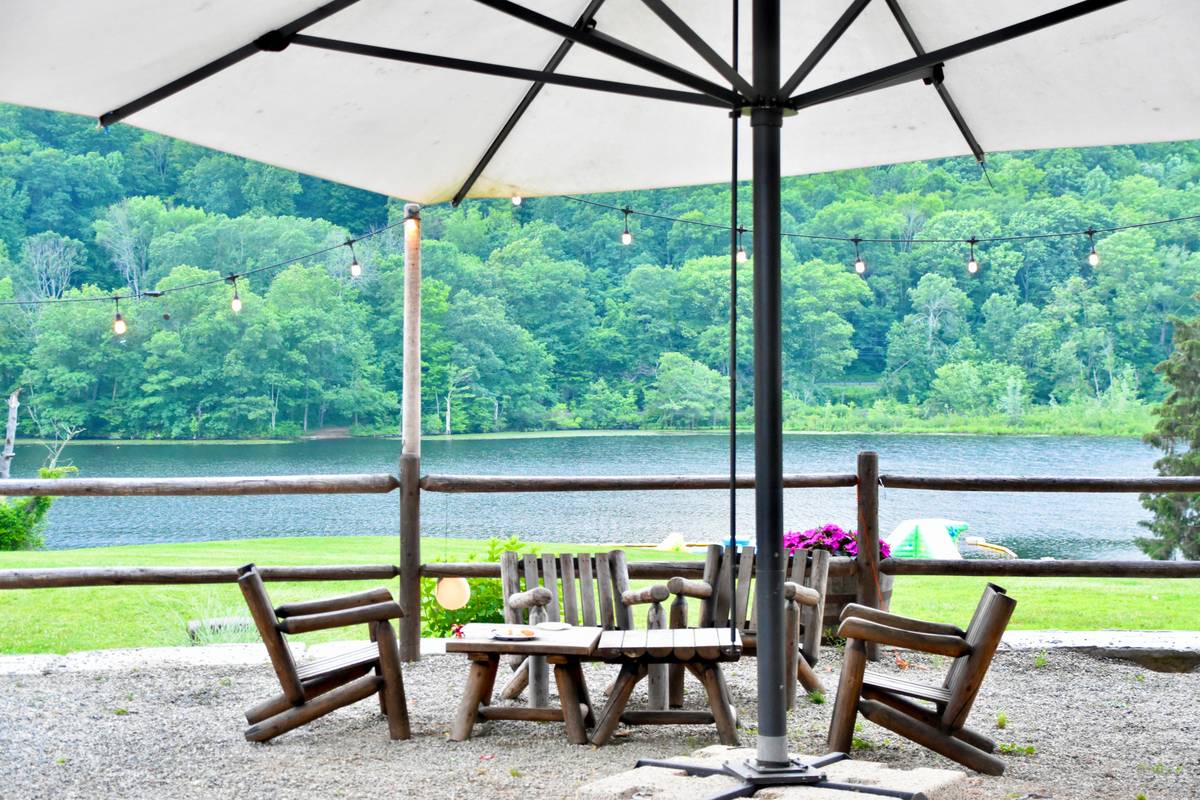
Step-by-Step Guide to Choosing the Right Model
Determine Coverage Needs
Measure your seating area. A 9-foot diameter umbrella covers a standard 48-inch round table. For rectangular setups, opt for an offset (cantilever) sunbrella umbrella for patio to avoid center poles blocking views.
Prioritize Frame Material
Aluminum frames resist rust and weigh less—ideal for frequent repositioning. Wood offers classic aesthetics but requires annual sealing. Avoid steel unless it’s powder-coated; salt air near beaches accelerates corrosion.
Check Wind Ventilation
Look for dual-layer canopies with center vents. These allow gusts to pass through instead of lifting the umbrella like a parachute. The American Society of Testing Materials (ASTM) recommends vented designs for coastal zones—ASTM standards matter more than marketing claims.
Best Practices for Long-Term Durability
- Clean quarterly: Mix 1/4 cup mild soap with 1 gallon water. Gently scrub with a soft brush. Rinse thoroughly—never use bleach.
- Store off-season: Even Sunbrella degrades faster if left exposed year-round. Use a breathable cover or store indoors.
- Anchor properly: Weighted bases must exceed 40 lbs for 9-ft models. On decks, bolt directly to structural joists—not just surface boards.
- Avoid this terrible tip: “Just leave it up—it’s Sunbrella!” False. No fabric survives constant rain pooling or winter snow loads. Always close and secure it when unused.
And can we rant for a second? Why do retailers still sell “one-size-fits-all” replacement canopies that sag, tear, or void warranties? If your frame says “Sunbrella,” use only genuine Sunbrella fabric. Anything else is false economy.
Real-World Results: What Homeowners Report
In a 2023 survey by Consumer Reports (cited via industry analysis), Sunbrella owners reported 82% satisfaction after five years—versus 44% for generic brands. One homeowner in Charleston, SC, noted her sunbrella umbrella for patio survived three hurricanes with only minor stitching repairs. Meanwhile, our team at Estone Harbor has replaced more than 200 non-Sunbrella canopies in the past two years due to premature fading—a problem rarely seen with authentic Sunbrella installations. Learn more about our commitment to quality on our About Us page.
Frequently Asked Questions
Is a Sunbrella umbrella for patio worth the extra cost?
Yes—if you prioritize longevity. While initial costs run 30–50% higher, the 5–10 year lifespan (vs. 1–2 for budget options) lowers long-term cost per use. Plus, it maintains resale value for your outdoor setup.
Can I wash my Sunbrella canopy in a machine?
No. Machine agitation damages the fabric’s protective finish. Hand-wash only with mild detergent, as recommended by Glen Raven’s official care guide.
Do Sunbrella umbrellas block UV rays effectively?
Absolutely. Sunbrella fabrics provide UPF 50+ protection, blocking over 98% of harmful UV radiation—verified by the Skin Cancer Foundation.
What’s the best base for windy areas?
For freestanding models, use a cross-base filled with sand or water (minimum 50 lbs total). On permanent patios, opt for an in-ground sleeve anchored to concrete footings.
How often should I replace the canopy?
With proper care, every 7–10 years. Watch for frayed seams or reduced water beading—these signal declining performance.
Where can I get expert advice on sizing?
We offer personalized consultations based on layout, climate, and usage. Contact us for a free assessment. (And yes, we comply with data privacy—we never share info; see our Privacy Policy.)
Don’t let another summer slip by under faded, flimsy shade. A real sunbrella umbrella for patio isn’t just furniture—it’s peace of mind, stitched into every thread. Ready to upgrade? We’re here when you are.