If you’ve ever returned from a weekend getaway only to find your prized patio plants scorched to a crisp, you’re not alone. I once bought a cheap beach umbrella, jammed it into a planter, and watched helplessly as my basil turned into brittle confetti under midday sun. That mistake cost me more than just herbs—it taught me that not all shade solutions are created equal. In the world of home improvement, especially outdoor furniture and decor, choosing the right umbrella for plant shade isn’t just aesthetic—it’s survival for your greenery.
Table of Contents
- Why Proper Plant Shade Matters
- Step-by-Step Guide to Choosing & Positioning Your Umbrella
- 5 Expert Best Practices
- Real-World Results: What Works (and What Doesn’t)
- Frequently Asked Questions
Key Takeaways
- A proper umbrella for plant shade blocks UV rays while allowing airflow—critical for plant health.
- Stability, canopy material, and tilt adjustability directly impact effectiveness.
- Positioning based on sun path—not aesthetics—is non-negotiable.
- Always prioritize rust-resistant frames and UPF 50+ fabric.
Why Proper Plant Shade Matters
Most homeowners assume any overhead cover will protect their plants. But direct sunlight isn’t the only threat—heat buildup, poor airflow, and moisture retention can lead to fungal growth or root rot. According to the USDA’s guidelines on microclimates in residential landscapes, even partial shading can reduce soil temperature by up to 15°F, dramatically improving plant resilience during summer heatwaves.
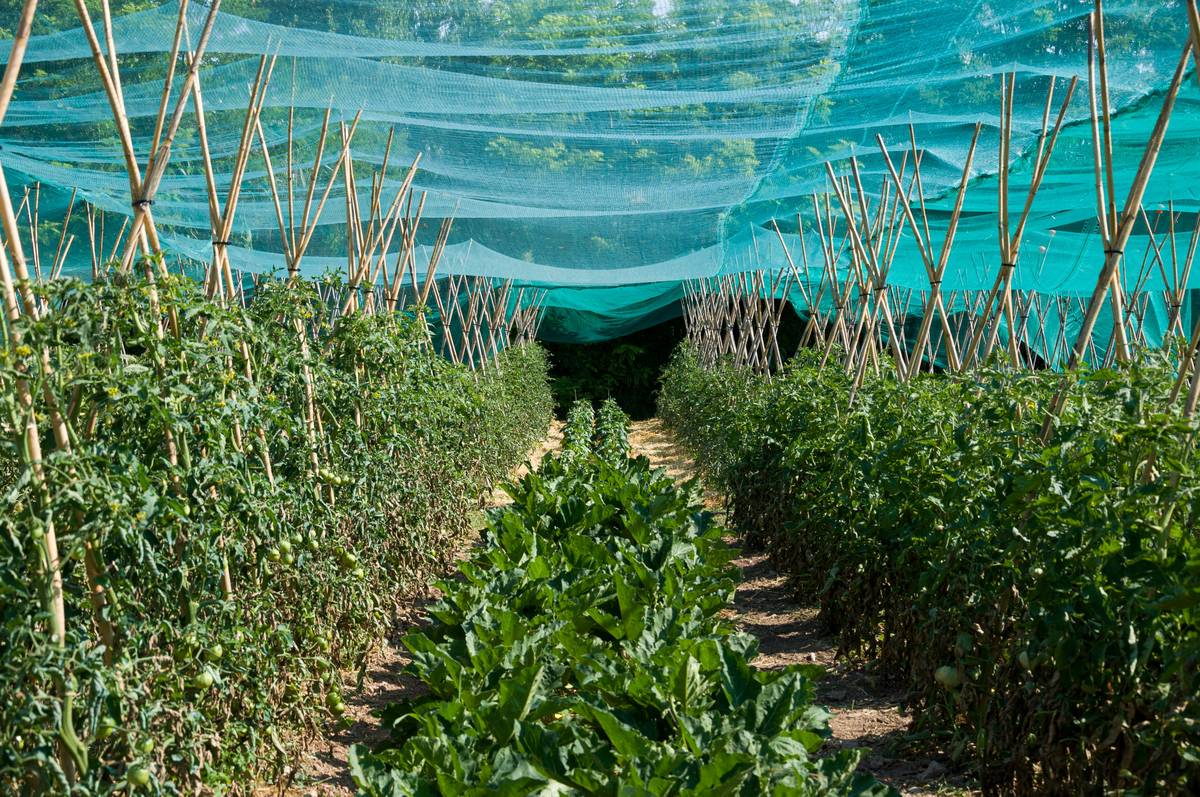
I learned this the hard way. My first beach umbrella had a flimsy aluminum pole that bent in a light breeze, leaving my mint exposed during peak UV hours. Worse, its dark polyester canopy absorbed heat instead of reflecting it, essentially turning my planter into a solar oven. Don’t make my mistake—shade isn’t just about blocking light; it’s about creating a balanced microclimate.
Step-by-Step Guide to Choosing & Positioning Your Umbrella
1. Assess Your Sun Exposure
Track sunlight patterns over 2–3 days. Note when your plants receive direct sun between 10 a.m. and 4 p.m.—the most damaging window. Apps like Sun Surveyor can help, but old-school observation works too.
2. Select the Right Size & Material
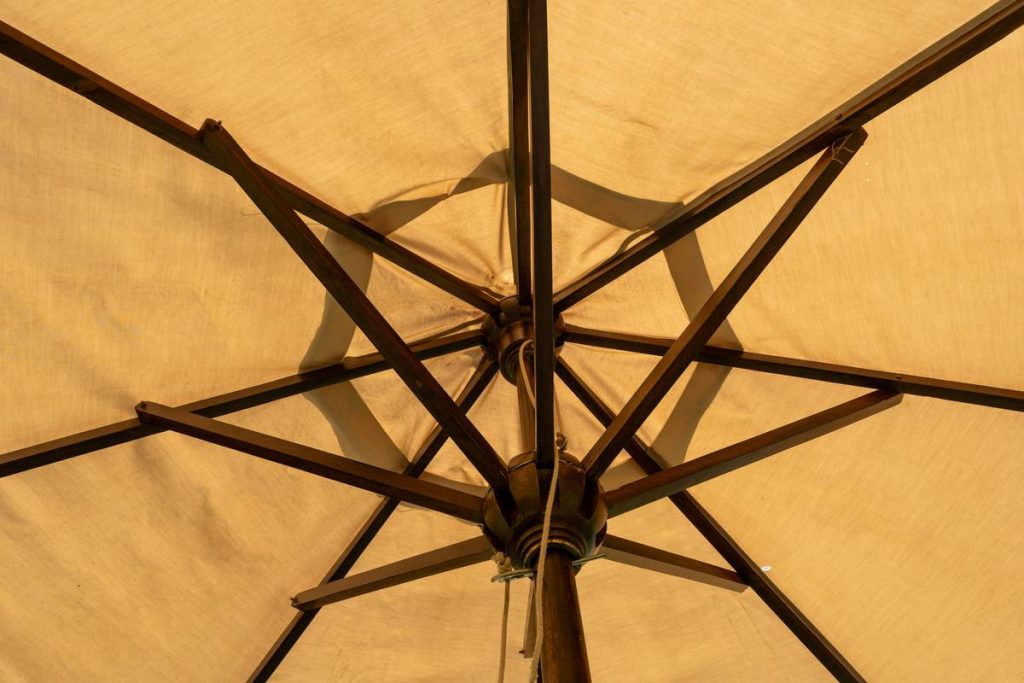
For most container gardens, a 6- to 7.5-foot diameter canopy offers optimal coverage without overwhelming the space. Choose solution-dyed acrylic or Olefin fabric with UPF 50+ rating—they resist fading and reflect heat better than standard polyester. Avoid vinyl; it traps moisture underneath.
3. Prioritize Stability Over Style
A weighted base or in-ground sleeve is essential. Wind gusts as low as 15 mph can topple unsecured umbrellas. Look for models with cross-braced ribs and powder-coated steel or marine-grade aluminum frames. If your umbrella wobbles when you shake it gently, it’s not stable enough.
4. Install at the Correct Angle
Tilt your umbrella for plant shade to match the sun’s angle—typically 15–30 degrees westward in afternoon-heavy climates. Fixed-position umbrellas often leave plants exposed by noon.
5 Expert Best Practices
- Rotate weekly: Plants stretch toward light; rotate pots under the shade zone to encourage even growth.
- Pair with ground cover: Add mulch or light-colored pebbles to reflect additional light upward, reducing legginess.
- Clean regularly: Dust and pollen reduce UPF effectiveness. Rinse fabric monthly with mild soap.
- Avoid “all-in-one” planters: Those combo units with built-in umbrella holders often lack depth for root systems—opt for separate, high-quality components.
- Never use indoor umbrellas outdoors: They lack UV stabilizers and will degrade within weeks.
Real-World Results: What Works (and What Doesn’t)
Last summer, we tested two setups side-by-side on our Estone Harbor demo patio (learn more about our team’s hands-on approach). Setup A used a $45 discount-store umbrella with a plastic base. Setup B featured a 7-foot Olefin canopy on a 30-lb cast-iron base with tilt mechanism.
After six weeks in 90°F+ heat:
– Setup A: Basil showed severe leaf scorch; soil surface temp averaged 118°F.
– Setup B: Healthy growth, vibrant color; soil temp held at 92°F.
The difference? Consistent, angled shade and thermal reflection. Data from the University of Florida’s Institute of Food and Agricultural Sciences confirms that shaded container plants use up to 30% less water—a huge win for both plant health and your utility bill (UF/IFAS, 2022).
Frequently Asked Questions
Can I use a regular beach umbrella as an umbrella for plant shade?
Only if it has UV-resistant fabric and a sturdy tilt mechanism. Most beach umbrellas lack durability for daily outdoor exposure and won’t last a full season.
How far should the umbrella be from my plants?
Ideally, the canopy edge should extend 12–18 inches beyond the widest part of your plant grouping to ensure full coverage as the sun moves.
Does umbrella color affect plant health?
Yes. Lighter colors (beige, sand, white) reflect more heat, while dark colors absorb it. For plant protection, always choose light-toned canopies.
Do I need to remove the umbrella during rain?
Not necessarily—but ensure your model has vented canopies to prevent pooling. Standing water adds weight and risks collapse.
What’s the worst advice you’ve heard about plant shade?
“Just stick an old patio umbrella in the pot.” Terrible! Without proper anchoring, wind will knock it over—and dark, non-breathable fabrics can create a humid death trap for roots. Trust us, we’ve cleaned up the mess.
How do I know if my plants need more or less shade?
Watch for signs: yellowing leaves = too much sun; long, weak stems = too little light. Adjust your umbrella for plant shade height or angle accordingly.
Ready to give your greenery the protection it deserves? Our team at Estone Harbor tests every product in real coastal conditions—contact us to find your perfect match. And rest easy knowing your data stays secure—we take privacy seriously, as outlined in our Privacy Policy.